Data Hub-Driven Harvest Forecasting and Planning
Harvest management is not only a detection problem; it is a data interpretation problem. When counting, labor, packaging, storage, and shipment data are not unified, plans stay disconnected.
Fertima's planning layer transforms multi-source data into a common model, balances capacity with a scenario engine, and brings daily decisions to one operations center.
-
01
Data unification layer
Counting, labor, packaging, and logistics data are merged in one model.
-
02
Forecast + scenario engine
Alternative harvest scenarios are computed with capacity constraints.
-
03
Capacity matching
Packing lines, cold storage, and shipment plans are auto-balanced.
-
04
Decision-center dashboard
Management and operations teams work on the same planning screen.
What does the planning engine deliver?
The system does not just report harvest data. It interprets it with resource and timing constraints, then converts it into an executable operations plan.
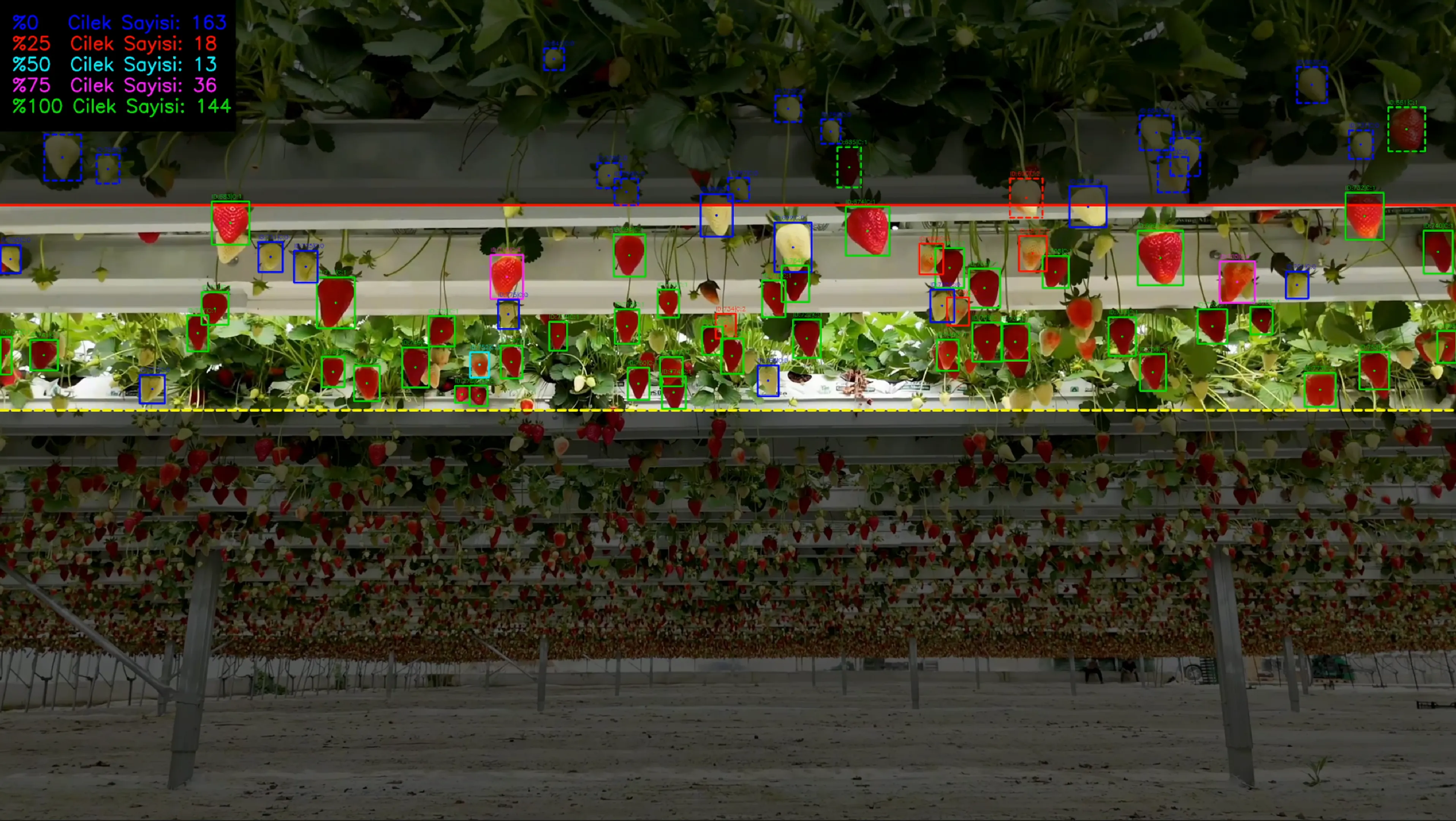
5 operational issues that cannot be solved without a data hub
Scattered data creates broken plans even when forecasts are accurate.
Data sources are fragmented and inconsistent
When counting, shift, packing, and logistics live in separate tools, one executable plan cannot be produced.
Forecast and planning layers stay disconnected
Estimated volume fails in execution if it is not linked to labor and line capacity.
Capacity bottlenecks are detected too late
Late visibility into line and storage load forces daily re-planning.
Cold-chain and shipment timing drifts
Without capacity-linked scheduling, quality and logistics costs increase.
Management decisions rely on delayed reports
Without a real-time decision center, teams act on different versions of data.
Data-centric planning creates an operating standard
Harvest density alone is not enough. A real plan emerges only when it is solved with resource constraints. Fertima unifies planning data in one core to create a predictable operational flow.
When tonnage forecasts, labor capacity, line load, and shipment windows are solved in one model, daily rhythm stabilizes and last-minute firefighting drops.
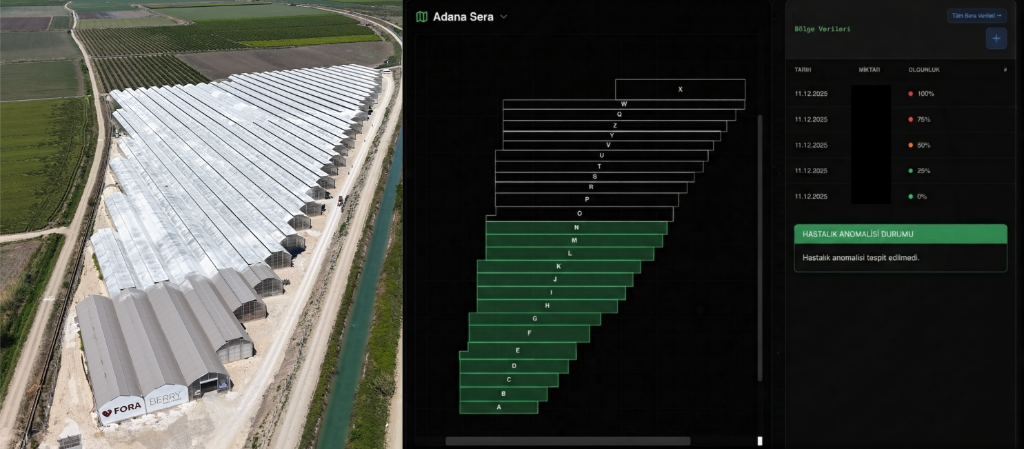
Harvest data flows into one planning engine
Strawberry counting outputs merge with SeraERP and operations data in one engine. This removes the gap between forecasting, decision-making, and execution.
- Multi-source data is normalized in one shared model.
- Plan scenarios are computed with real capacity constraints.
- Decision, execution, and outcomes are tracked in one panel.
Challenge → Solution → Benefits
Harvest forecasting becomes operations management through a data-hub approach.
Challenge
Fragmented data cannot keep labor and capacity plans synchronized.
Solution
The planning engine merges data and generates scenario-based operations plans.
Benefits
- Capacity-aligned daily planning
- Packaging, storage, and shipment synchronization
- Faster and measurable management decisions
Technical Specifications
The planning layer solves multi-source data with operational constraints.
| Parameter | Detail |
|---|---|
| Output | Forecast quantity + capacity plan + scenarios |
| Data sources | Counting + labor + packaging + logistics |
| Planning horizon | Daily / weekly / shift level |
| Integration | SeraERP + operations dashboard |
| Refresh mode | Auto-updated with incoming data |
| Display | Block, line, and shipment-window level |